
What Causes Cancer?
A plain-language, evidence-based explanation of what is known about cancer causes and risk factors.
A plain-language, evidence-based explanation of what is known about cancer causes and risk factors.
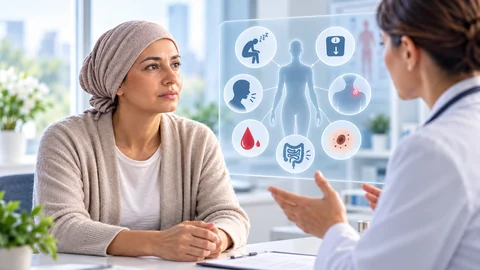
A plain-language, evidence-based guide to symptoms and signs that can occur with cancer and what they do and do not mean.
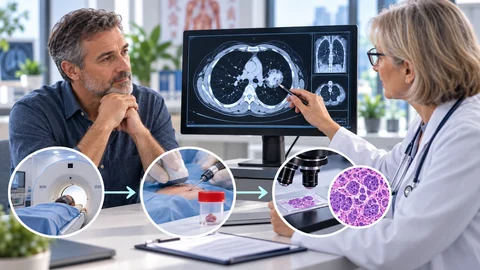
A direct, source-based guide to how cancer is diagnosed and the roles of laboratory tests, imaging and biopsy.

Can cancer show up in blood tests or a CBC? Learn what blood tests and tumor markers can reveal, why normal results do not rule cancer out, and what may confirm a diagnosis.

Can cancer be cured? Learn what affects cure, cure versus remission, whether stage 4 always means incurable disease, and why no single percentage fits every cancer.

Cancer and its treatment can affect fertility, and some preservation decisions are time-sensitive. Learn what changes risk, the main preservation options, why fertility differs from pregnancy safety, and why contraception advice is treatment-specific.

Evidence-based guidance for cancer caregivers on burden, communication, load sharing, and seeking support.
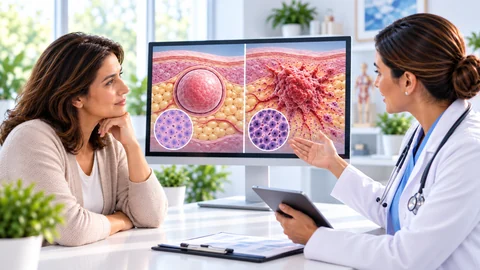
Not every tumor is cancer. Learn how benign and malignant tumors differ, what imaging may suggest, and why pathology or biopsy may be needed.
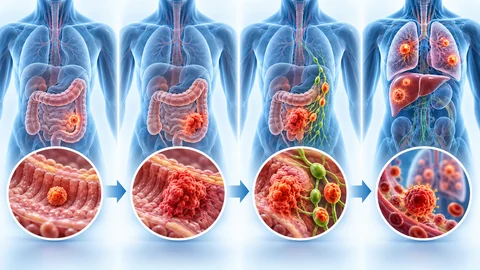
A clear guide to cancer stages 0 to IV, TNM, why staging differs by cancer type, and why stage alone cannot predict an individual outcome.

A clear explanation of how cancer spreads through tissue, blood and lymph, what metastasis means, and why metastatic cancer keeps the name of its original cancer.

Cancer can return after treatment or remission. Learn local, regional and distant recurrence and how recurrence differs from progression or a new primary cancer.
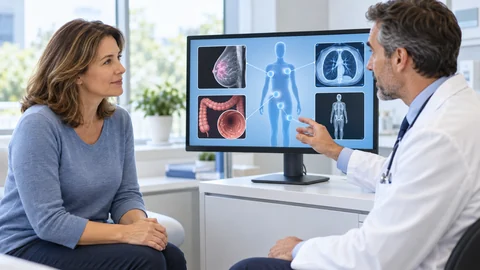
Learn the difference between early diagnosis and screening, which cancer screening programs have evidence of benefit, why no single test detects every cancer, and the limits of newer blood tests.

Understand planned versus unplanned cancer treatment delays, why schedules can change, urgent symptoms and questions to ask your oncology team.

Understand emotional distress during cancer treatment, the difference between screening and diagnosis, and ways to ask your care team for support.

Understand chemotherapy cycles, treatment and rest periods, reasons schedules differ, why plans can change, and why side effects do not indicate effectiveness.
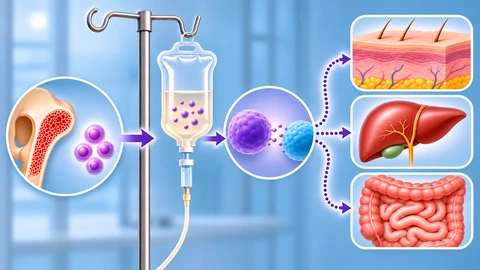
Understand autologous and donor stem cell transplants, why GVHD can happen, what symptoms to report, and why the transplant team makes the diagnosis.
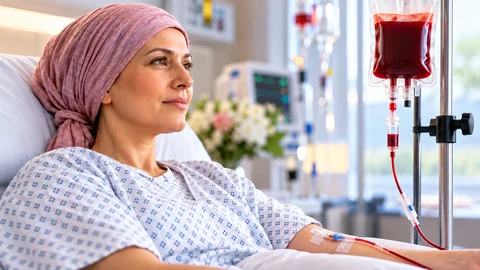
Learn why red-cell or platelet transfusions may be needed during cancer treatment, what monitoring involves, warning signs and questions for your care team.
No matching question yet.